
A Global Vision Crisis
Vision is fundamental to learning, earning a living, maintaining independence, and participating fully in society. Yet millions of people around the world continue to live with vision impairment that can be prevented, treated, or corrected.
The World Health Organization estimates that at least 2.2 billion people globally live with near or distance vision impairment. In at least 1 billion cases, the impairment could have been prevented or has not yet been addressed. Uncorrected refractive error and cataract remain the leading causes of vision impairment and blindness. (World Health Organization)
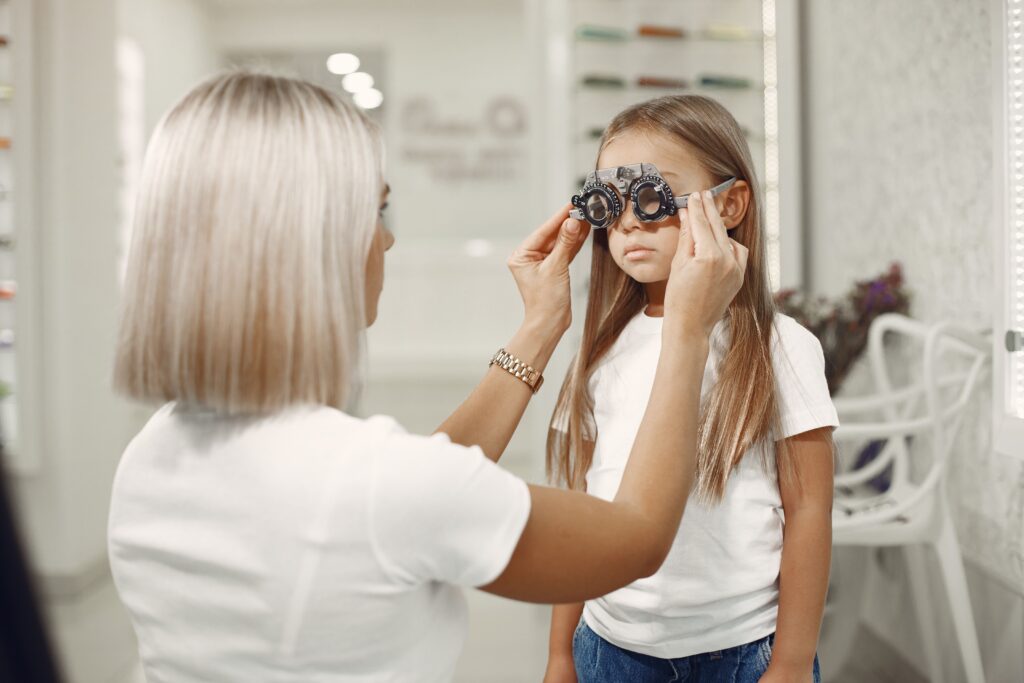
The economic consequences are also significant. Unaddressed vision impairment is estimated to cost the global economy approximately US$411 billion each year in lost productivity. (World Health Organization)
The African Eye Health Gap
The challenge is particularly acute across Africa, where access to eye-care services remains uneven and specialist resources are often concentrated in major cities.
WHO estimates that approximately 26.3 million people in the African Region live with visual impairment, including about 5.9 million people who are blind. WHO also estimates that around 15.3% of the world’s blind population lives in Africa. (WHO | Regional Office for Africa)
Data from the IAPB Vision Atlas for Sub-Saharan Africa estimated approximately 53.8 million people living with vision loss in 2020. The burden is projected to rise substantially as populations grow and age.
At the same time, access to treatment remains limited. WHO reported that effective cataract surgical coverage in the African Region was only 26%, meaning that only around one in four people requiring cataract surgery had received surgery with a good visual outcome.
This creates a significant gap between people who need eye care and people who are actually able to receive it.
Cataract: A Leading Cause of Preventable Blindness:
Cataract occurs when the normally clear lens of the eye becomes cloudy, progressively reducing vision. It is strongly associated with ageing, although cataract can also occur earlier in life. With timely diagnosis and surgery, cataract-related blindness is often reversible.
Globally, cataract is the leading cause of blindness and is responsible for an estimated 94 million cases of distance vision impairment or blindness among the major causes of addressable vision loss identified by WHO. (World Health Organization)
Cataract is particularly important in low and middle-income countries because the condition is treatable, yet many people cannot access surgery because of cost, distance, limited awareness, inadequate surgical capacity, or other barriers to care.
For many patients, cataract surgery can restore functional vision and independence. However, the challenge is not simply performing surgery; it is identifying patients early, making surgery accessible, ensuring quality outcomes, and helping patients navigate the pathway from community screening to treatment.
This is one of the reasons NorthernLight Eye Foundation places screening, referral, surgical partnerships, and followup at the centre of its community model.
Glaucoma: The Silent Threat to Vision:
Glaucoma is a group of eye diseases that can progressively damage the optic nerve and cause irreversible vision loss.
Unlike cataract, vision lost from glaucoma generally cannot be restored. However, early detection and appropriate treatment can slow or prevent further damage.
WHO estimates that glaucoma accounts for approximately 7.7 million cases of distance vision impairment or blindness globally among the major addressable causes of vision loss. (World Health Organization)
Glaucoma is particularly challenging because it can progress for years without noticeable symptoms. By the time a patient becomes aware of significant vision loss, substantial and irreversible damage may already have occurred.
This makes community screening, early diagnosis, referral, and long-term follow-up critical.
For NorthernLight Eye Foundation, community eye camps provide an opportunity to identify people who may have undiagnosed glaucoma and connect them with appropriate specialist assessment and ongoing care.
Pterygium: A Common but Often Overlooked Eye Condition:
Pterygium is a growth of tissue from the conjunctiva onto the cornea. It is commonly associated with prolonged exposure to ultraviolet radiation, particularly among people who spend significant amounts of time outdoors.
Pterygium may initially cause irritation, redness, or cosmetic concerns. In more advanced cases, it can encroach onto the cornea and interfere with vision.
A recent global systematic review and modelling analysis estimated that approximately 552.9 million people worldwide had pterygium in 2023, corresponding to an estimated prevalence of 8.22%.
For communities across Northern Nigeria and other parts of Africa where outdoor work and high levels of sunlight exposure are common, awareness, early assessment, protective measures, and surgical referral for advanced cases can form an important part of community eye health.
Diabetic Retinopathy: The Growing Connection Between Diabetes and Sight:
As diabetes becomes more common, diabetic eye disease is becoming an increasingly important cause of preventable vision loss.
Diabetic retinopathy occurs when prolonged high blood sugar damages the blood vessels supplying the retina. In its early stages, it may produce few or no symptoms. Without timely detection and treatment, it can progress to severe visual impairment or blindness.
WHO estimates that diabetic retinopathy accounts for approximately 3.9 million cases of distance vision impairment or blindness among the major addressable causes of vision loss globally. (World Health Organization)
Regular eye examinations for people living with diabetes can help identify retinal changes before significant vision loss occurs.
This highlights the importance of integrating eye health into broader community health services rather than treating eye care as a standalone service.
Trachoma and Other Preventable Causes of Blindness:
Some forms of blindness are associated with infectious diseases and environmental conditions.
Trachoma, caused by Chlamydia trachomatis, remains the world’s leading infectious cause of blindness. Repeated infection can cause scarring of the eyelid, eventually causing the eyelashes to turn inward and damage the cornea. Without treatment, this can result in irreversible visual impairment or blindness. (World Health Organization)
Africa remains the continent most affected by trachoma. WHO estimates that trachoma causes blindness or visual impairment in approximately 1.9 million people worldwide. (World Health Organization)
Other conditions contributing to avoidable blindness in Africa include corneal opacities, onchocerciasis (river blindness), childhood eye conditions, and complications of diabetes. WHO notes that many major causes of blindness in the African Region are preventable or treatable with existing, cost-effective interventions. (WHO | Regional Office for Africa)
The Problem = Access
The burden of avoidable vision loss is not evenly distributed. People living in rural and underserved communities, low-income households, and areas with limited health infrastructure can face multiple barriers at the same time:
* Limited access to eye-care professionals
* Long distances to specialist facilities
* Cost of consultation, medicines, glasses, and surgery
* Limited awareness of treatable eye conditions
* Late presentation for cataract and glaucoma
* Poor continuity between screening and treatment
* Limited access to affordable prescription glasses
* Weak patient referral and follow-up systems
The Problem = Access
The burden of avoidable vision loss is not evenly distributed. People living in rural and underserved communities, low-income households, and areas with limited health infrastructure can face multiple barriers at the same time:
* Limited access to eye-care professionals
* Long distances to specialist facilities
* Cost of consultation, medicines, glasses, and surgery
* Limited awareness of treatable eye conditions
* Late presentation for cataract and glaucoma
* Poor continuity between screening and treatment
* Limited access to affordable prescription glasses
* Weak patient referral and follow-up systems
WHO identifies inequalities in the availability, accessibility, and quality of eye care as major challenges to reducing vision impairment globally. (World Health Organization)
For communities at the bottom of the economic pyramid, simply providing a screening camp is not enough.
A patient may be diagnosed with cataract but still remain blind if surgery is inaccessible. A patient may receive a prescription but continue to struggle to read if affordable glasses are unavailable. A patient may be identified as having glaucoma but lose vision if there is no pathway to specialist care and long-term follow-up.
This is the gap that NorthernLight Eye Foundation seeks to address.
This highlights the importance of integrating eye health into broader community health services rather than treating eye care as a standalone service.
From Screening to Restoration
NorthernLight Eye Foundation’s “Screen and Restore” model is designed around the principle that screening should be the beginning of a patient’s care journey not the end.
Our approach connects community-based screening with:
Screen → Diagnose → Treat → Restore → Follow Up
Through mobile and portable eye-care equipment, community outreach camps, digital patient records, clinical partnerships, surgical referral pathways, and affordable optical services, we are building a more connected system that can take patients from identification of an eye condition to the care they need.